
The first officer who dares to say no
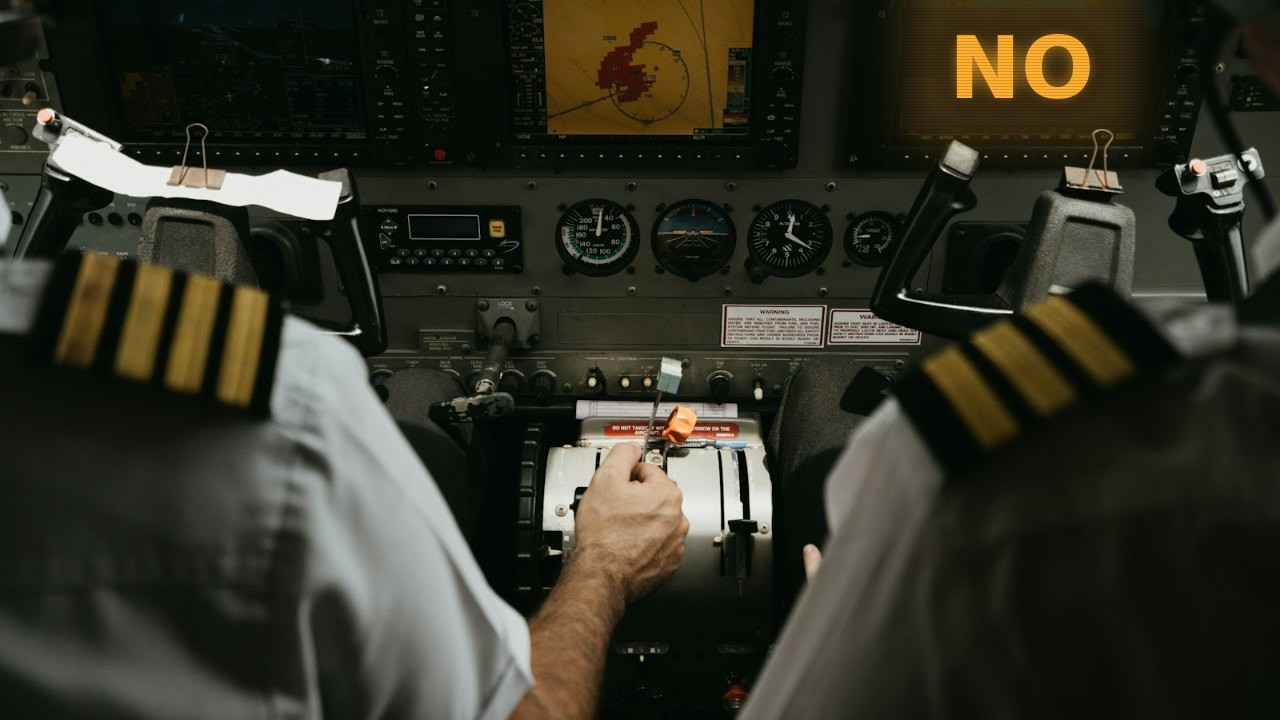
On December 28, 1978, a United Airlines DC-8 circled for nearly an hour near Portland, Oregon, while the crew tried to resolve a problem with the landing gear indicator. Fuel was running out. The first officer and the flight engineer knew it, and they mentioned it, but they failed to convey how serious it was. The aircraft ran out of fuel and crashed. Ten people died.
The problem was not technical. No one in the cockpit dared to say “no” clearly enough.
That accident formally gave rise to CRM (Crew Resource Management) in the United States, training that is now mandatory for airline pilots in the United States and Europe. First officers learn to challenge the captain. And captains learn to listen.
What owners want to hear and what their business needs
In my experience, one of the things that has set me apart is telling business owners what their company truly needs, not what they want to hear. Ideally, the two match. In most cases, they don’t.
I didn’t always know how to do it. I learned it case by case.
I have heard colleagues and consultants say their strategy was to agree with the owner, because that guaranteed long contracts. What looked like a win at first eventually became the death sentence of the engagement. Sooner or later, the owner feels he is paying too much for someone who repeats what he already knows, and he stops valuing the work.
The cost of silence
I have seen the same pattern more than once: an owner who uses the company’s cash to take care of personal priorities first, even when commitments to suppliers, employees or creditors are already in place. No one around him dares to push back.
The cost arrives late, but it arrives. Creditors lose confidence, the team notices, and the company’s reputation suffers. Rebuilding that does not take weeks. It can take years of changed habits.
Some owners accept guidance and some don’t. But the hardest profile is the one who seems to accept it and then does what he wants anyway. There, as an advisor, you have to pick your battles, know where to give ground, and quantify the impact of each decision so that, at the very least, it is an informed one.
Why no one says “no”
Most people are not used to saying “no,” least of all when their paycheck depends on the person deciding. Protecting their standing with the boss weighs more than setting limits. Many believe they will be valued more for being agreeable than for being assertive.
Aviation solved this with a simple rule: nothing that compromises the safety of the flight is allowed, even if the airline’s president asks for it. That is why, on board, the highest authority is the captain, even if the company’s CEO is sitting in first class.
That authority does not come from a title. It comes from the responsibility regulation assigns to the captain: ensuring the flight complies with standards, manuals and procedures. In the cockpit, almost everything is written down, and the room for improvisation is minimal.
How to have a real first officer
If you are an advisor, make it clear from the first meeting that you will be there to warn about risks, show scenarios and take a position, even though the final decision belongs to the owner. When you have warned and documented it, your job is done. Honesty and integrity have to be your personal brand.
If you are an owner:
- Be genuinely open. Question your own positions before others have to.
- Use the drone technique. Look at your company from above, in the third person, as if it belonged to someone else.
- Surround yourself with people who know more than you, not about your product or service, but in the support areas: finance, legal, operations, technology.
- Practice real active listening, not the kind that just waits for its turn to reply.
Before takeoff
In aviation, critical decisions are reviewed before the flight, not in the air. That is the principle behind my work with the Prevuelo™ Method (prevuelo is Spanish for “preflight”): preparing decisions before they are needed, and making sure someone in the cockpit can say “no” in time.
Many companies, like Flight 173, do not fail for lack of information. They fail because whoever had it did not dare to say it clearly, or because no one wanted to listen.
A closing question
Who in your company can tell you “no” today? And when was the last time you heard it?
MR³ Index
Before your next big decision, measure where your company stands in 5 minutes.